Concealed Carry Questions: CCW

Concealed Carry Questions: CCW

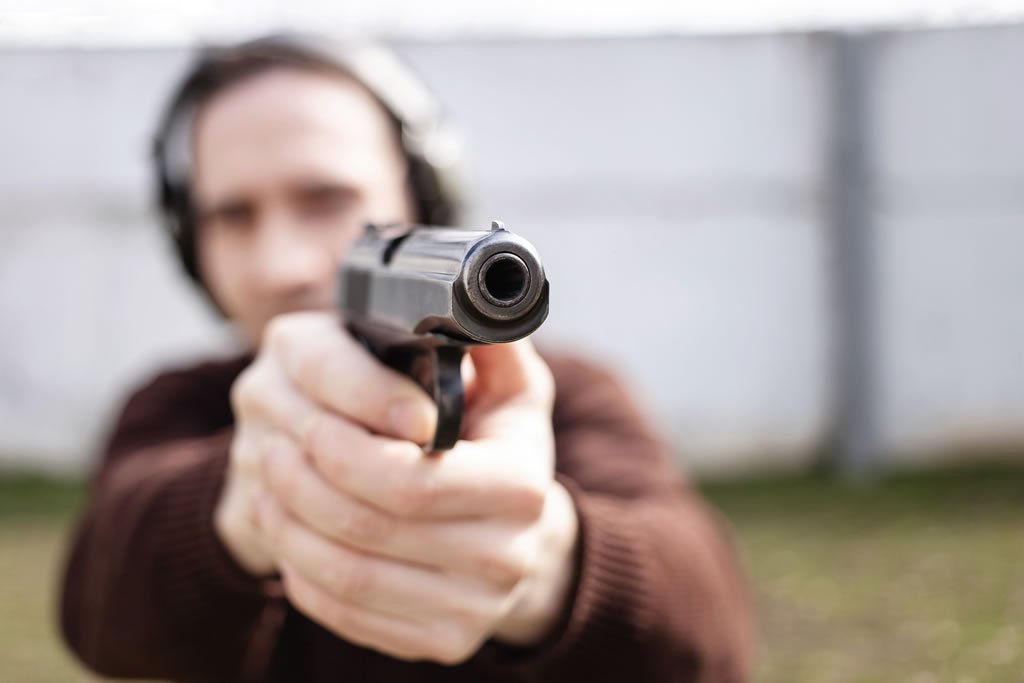
There are no right answers in a defensive shooting situation; with an infinite number of possible situations, there is an infinite number of responses. Know your laws, use good judgment and mentally prepare yourself for something to go wrong.

In no particular order, let’s go over three important topics that you may want to consider before it comes time to unholster your pistol:

  • Have a plan
  • Use common sense
  • Know your rights

All three of these topics combined should take only a few minutes out of your daily routine to review. Join ATS for a CCW Defensive Class and get all the details and learn much much more!

This diagram is a visual depiction of a use of force model. Remember, a critical event can start or stop at any point on the continuum: don’t feel locked into following all of the steps if the situation has escalated quickly.

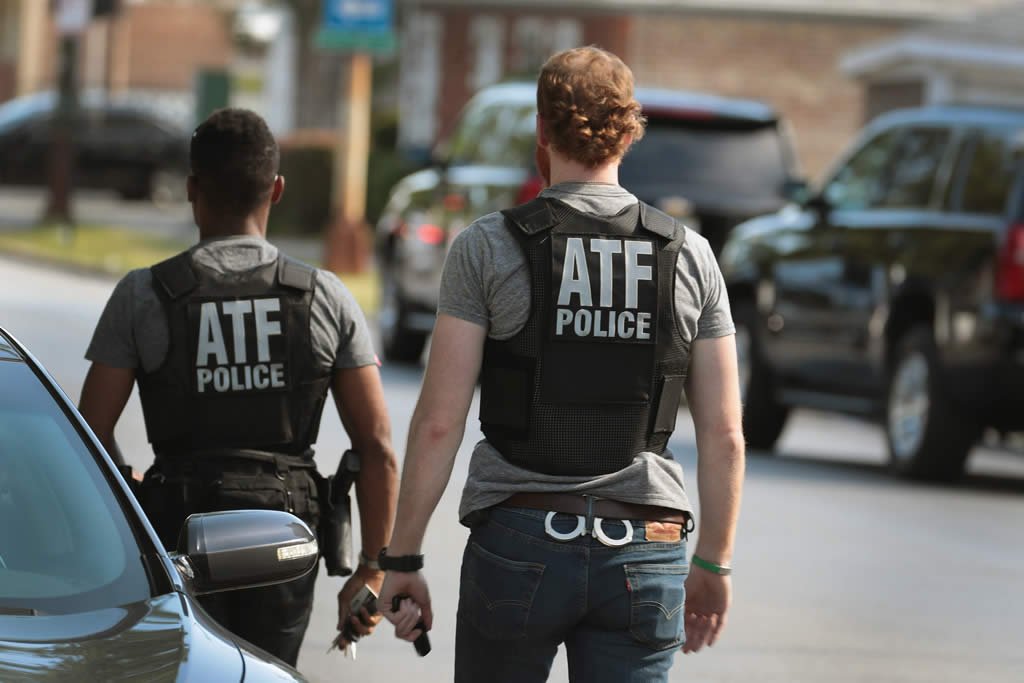
ATF Will No Longer Classify Firearm Accessories

ATF Will No Longer Classify Firearm Accessories

It looks like gun owners will be on their own when it comes to the legality of firearm accessories.

The Firearms Technology Industry Services Branch (FTISB) is the division of the Bureau of Alcohol, Tobacco, Firearms and Explosives that provides classifications on how firearm accessories may change the legal status of a firearm once attached. Until now.

The Prince Law Offices Blog reports that it received “an email that ATF’s Firearms Technology Industry Services Branch would no longer offer classifications on accessories, effective immediately.”

Up until now, manufacturers and members of the general public could submit an accessory and have the FTISB provide a classification on the part, stating whether the item would alter the legal status of a firearm it was attached to, subjecting the resultant firearm to the Gun Control Act or National Firearms Act.

Typically, the ATF would return a letter that the manufacturer would make available to buyers of the product, stating its legality. Examples of this include the braces that are popular on pistols now, which currently do not legally change the handgun into a short-barreled rifle. The SB-Tactical website hosts several letters indicating the ATF’s determination.

The notice, posted on the ATF website states, “Effective immediately, any requests for a determination on how an accessory affects the classification of a firearm under the GCA or NFA must include a firearm with the accessory already installed. Except in cases of conditional import determinations, FTISB will not issue a determination on an accessory unless it is attached to the submitted firearm.” The notice also states that those that have recently submitted products will be receiving them back without classification.

Time will tell what the implications of this policy change are, but the looming national bump stock ban does come to mind.

Trigger Control Exercise 101

Trigger Control Exercise 101

Dry-Fire: Cure a Common Shooting Bad Habits Here

Don’t move the gun when you pull the trigger! Regardless of the speed you are moving your trigger finger, you need to avoid dipping/moving the muzzle. Otherwise known as Trigger Control

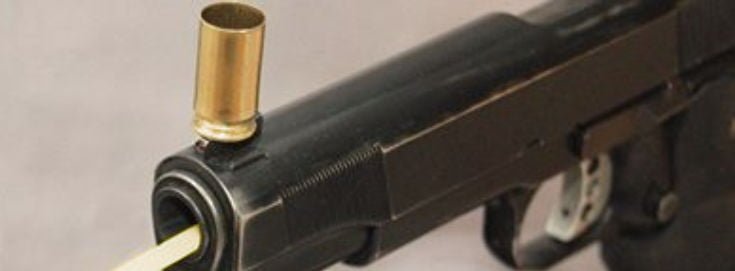
How can you tell if you’re falling victim to this bad habit? Set the trigger on your unloaded pistol by racking the slide. Next, place an empty casing on its base on the top of the slide, just behind the front sight. Now, press the trigger without causing the case to fall off.

The speed in which you can do this will be a limiting factor in how quickly you can shoot accurately. If the case doesn’t fall off, congrats! You’ve pulled the trigger correctly.

Trigger Control Exercise 101

Why Should You Carry A Firearm 101?

Why should I carry a firearm? As we have learned, a dynamic critical incident can be a very scary situation, especially considering that, after the fact, prosecutors will pick apart every action and dig through whatever they can to put blame on the defendant, even if the situation involved a perfectly “legal shoot.”

Of course, even though the legal aftermath of using a firearm for self-defense is not likely to involve a criminal case, it can – and does – happen. A civil case can cause great concern as well. The criminal and/or his or her family members may claim that they are in the right or believe, somehow, that they are owed something. With that, it’s the idea of the “reasonable person test.” Unfortunately, today’s definition of what a reasonable person would have done in the same circumstances doesn’t always match up to what a responsibly armed individual would do.

The possibilities of going to jail and being tried in court can certainly make someone think – or even reconsider carrying a gun for protection. I’ve had some students take our USCCA Concealed Carry and Home Defense class and tell me that they aren’t ready to carry a gun. I applaud that decision because it means that they are really thinking about the circumstances, the possibilities and the outcomes. But I also make a point to find out where they are in their concealed carry journey and how to get them where they need to be.

Nevertheless, with all the talk of the aftermath and with all of the unsettling information regarding the seriousness of using a gun to protect life, an intriguing question was recently brought up in class: Knowing what we know about the body’s responses to a threatening situation, and recognizing what problems may occur legally, financially and even emotionally after the fact, why should anyone carry a firearm?

Because You can.
Because Bad People Exist
Because You Can’t Depend on Others.
Because Guns Save Lives
Because Everyone Deserves a Chance
– By: Beth Alcazar

Marksmanship vs. Defensive Shooting

Marksmanship vs. Defensive Shooting

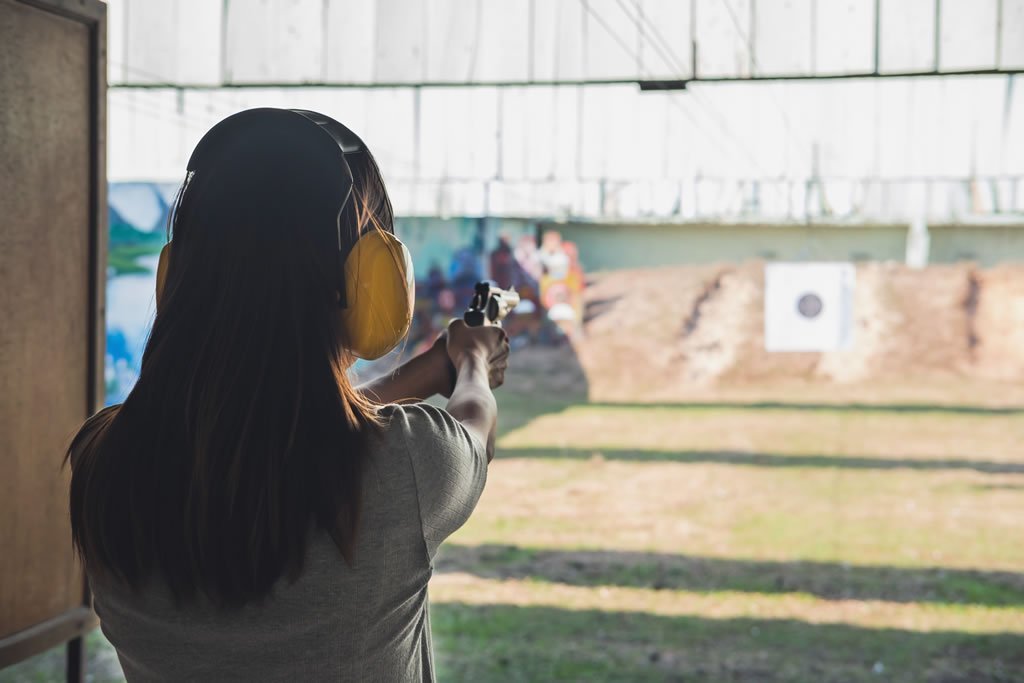
Marksmanship vs. Defensive Shooting, are they the same or are they really different? OR maybe a little of both! Which do I practice and which helps me the most?………. Actually BOTH, if you use the right mindset & training.

Accuracy, Power, Speed and Knowledge. These four elements are interdependent on each other as all are necessary to a degree and one effects the other in your everyday conceal carry life. Continually shooting at static bullseye targets and silhouettes, does not help you in the real world when a life-threatening situation happens to you, a friend or a loved one.

ASK YOURSELF SOME SERIOUS QUESTIONS! You need to introduce situational awareness shooting to every session you have, AND yes, even at an indoor shooting range! Do you continually practice administrative, tactical and emergency reloads? Do you practice controlled situational shooting or just fire away round after round after round at Zombie and bullseye targets? Do you know the difference between the “Occular Cavity”, “Thoracic Cavity” and the “Pelvic Girdle” projectile wound areas on a potential adversary, and practice shooting at these areas?

Carrying a firearm is a serious matter and needs constant training and knowledge, as well as a SMART MINDSET in real everyday scenario based defensive marksmanship!